

Did you know that learning a new language improves your memory?
11 june 2025
Even at a later age, you can still learn a new language. According to Alzheimer Nederland, this helps to build up a cognitive reserve in your brain. Such a reserve gets your brain working and stimulates thinking and memory skills.
Merel Keijzer from the University of Groningen conducted research into the effects of language learning on memory problems in the elderly. The research showed that elderly people who took an English course had a better memory.
But what is the best way to learn a new language? Here are Keijzer's tips:
• Motivation is key.
Start small and accessible. For example, watch your favorite (children's) film in the target language and try to understand what is happening without looking at the subtitles. This helps you to immerse yourself in the language in a light-hearted way.
• Learning on your own is not for everyone.
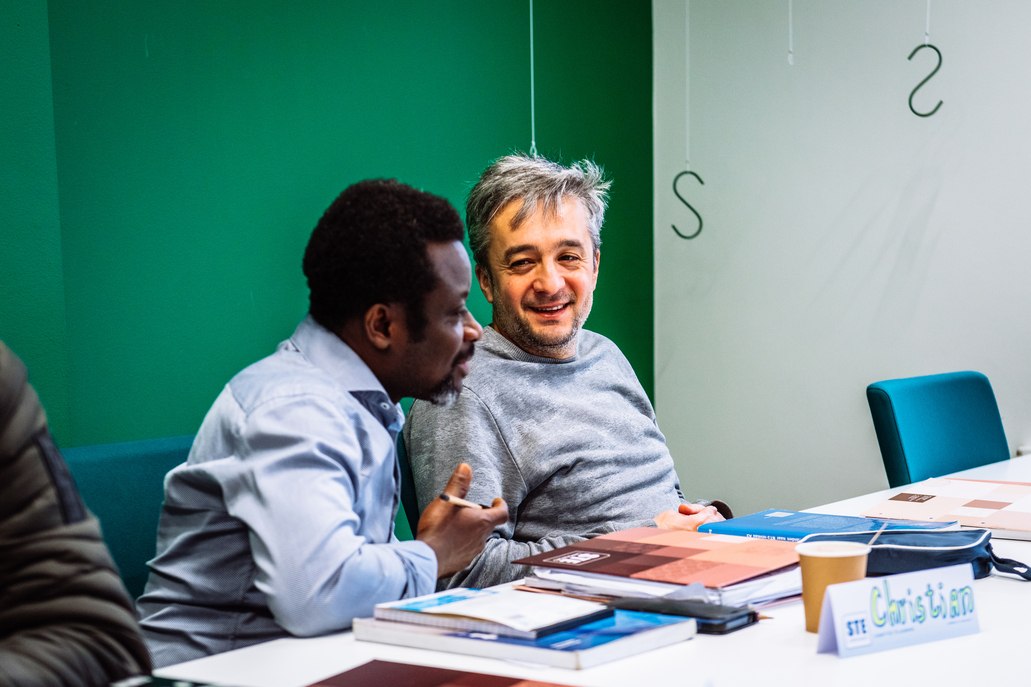
Do you find learning alone difficult or boring? Then consider learning in a group. Learning together is not only more fun but also motivating — you see each other's progress and can learn from each other.
• Immerse yourself in the language.
The best way to learn a language is to immerse yourself in it completely. Surround yourself with the language, ideally by talking to people who speak it. If that doesn't work, start watching films or short videos on YouTube, listening to music, audiobooks, podcasts. Of course, you can also start reading right away — choose what suits you best.
Actively learning a new language is not only good for your memory but opens new doors. Maybe this is the time to finally take that step and learn a language you've always wanted to speak.
If you want to work on learning a new language and also stimulate your thinking and memory skills, book a language course with STE Languages (www.ste.nl, info@ste.nl).
Read the full Dutch article here.